

Co-Occurring Disorders Treatment in California
At BrightPath Mental Health, we provide specialized virtual treatment for co-occurring disorders throughout California. When mental health conditions occur alongside substance use issues or other diagnoses, treatment requires a comprehensive, integrated approach. Our licensed therapists address the complexities of co-occurring disorders with personalized care that treats the whole person. You don’t have to manage multiple conditions alone. We’re here to help. Start your journey toward integrated healing. Schedule a free consultation today.
What Are Co-Occurring Disorders?
Co-occurring disorders, also called dual diagnosis, occur when someone experiences both a mental health disorder and a substance use disorder simultaneously. These conditions often interact with and worsen each other, making treatment more complex but not impossible. Common combinations include depression and alcohol use, anxiety and prescription drug misuse, PTSD and substance abuse, or bipolar disorder and addiction.
Signs & Symptoms of Co-Occurring Disorders
Mental Health Symptoms
- Persistent sadness, hopelessness, or anxiety
- Mood swings or emotional instability
- Difficulty concentrating or making decisions
- Social withdrawal or isolation
- Changes in sleep patterns or appetite
Substance Use Symptoms
- Using substances to cope with emotions or stress
- Inability to cut down or control substance use
- Neglecting responsibilities due to substance use
- Continued use despite negative consequences
- Withdrawal symptoms when not using
Combined Impact
- Worsening mental health symptoms
- Increased risk-taking behaviors
- Relationship and work problems
- Physical health deterioration
- Difficulty maintaining recovery
Common Co-Occurring Disorder Combinations
Depression and Substance Use
Many individuals use alcohol or drugs to self-medicate depressive symptoms, which ultimately worsens depression and creates dependency.
Anxiety Disorders and Substance Use
Substances may temporarily reduce anxiety but lead to increased anxiety, panic attacks, and avoidance behaviors over time.
PTSD and Addiction
Trauma survivors often turn to substances to numb emotional pain, flashbacks, and hypervigilance associated with PTSD.
Bipolar Disorder and Substance Use
Substance use can trigger manic or depressive episodes and interfere with mood stabilization.
Personality Disorders and Addiction
Conditions like borderline personality disorder often co-occur with substance use as individuals struggle with emotional regulation.
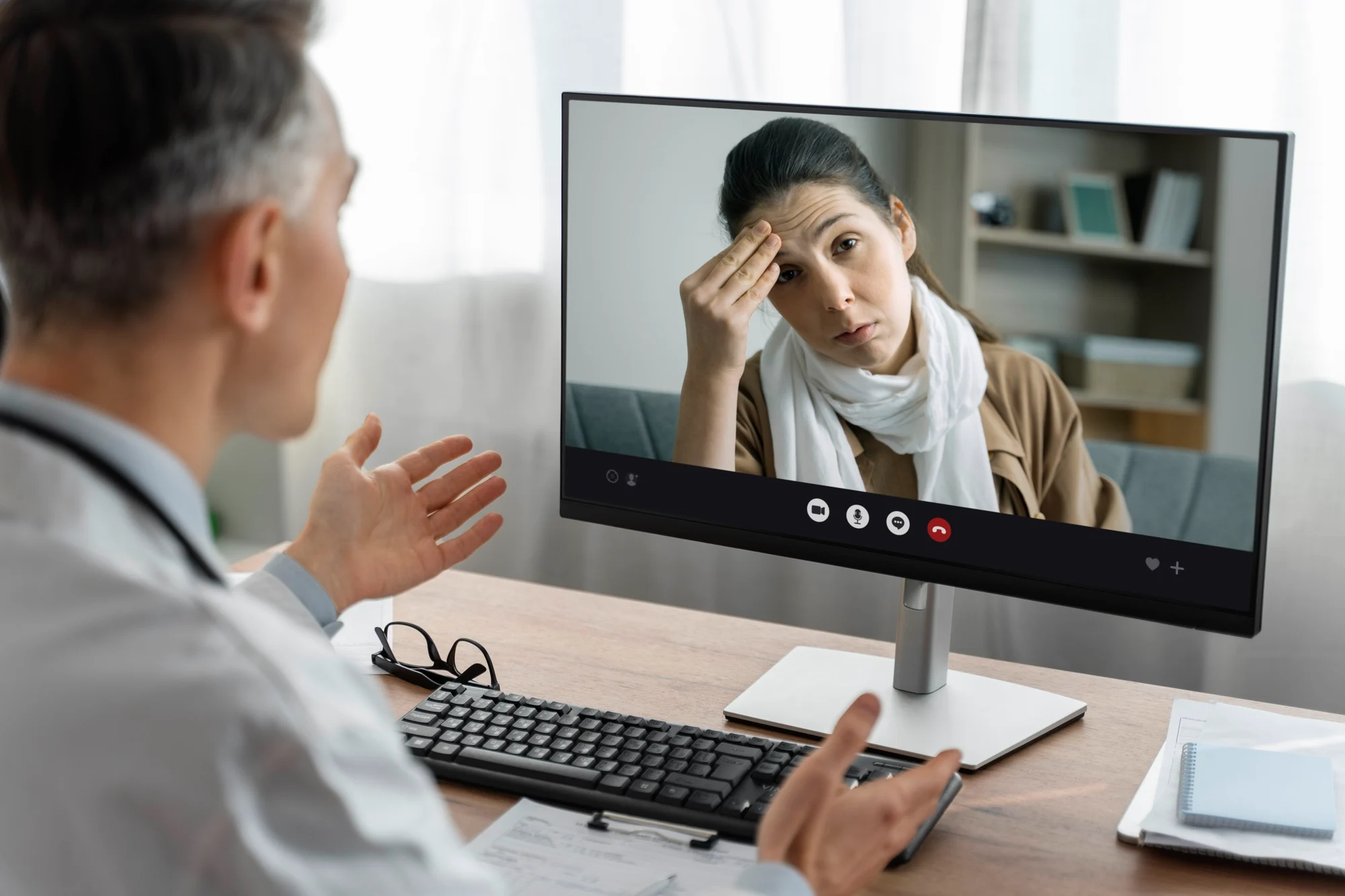
How Virtual Therapy Can Help with Co-Occurring Disorders
BrightPath Mental Health provides integrated treatment that addresses both mental health and substance use issues simultaneously.
With virtual therapy, individuals can
- Receive comprehensive assessment of all conditions
- Develop coping strategies for both mental health and substance use
- Learn to identify triggers and patterns
- Build relapse prevention skills
- Address underlying trauma or emotional pain
- Create sustainable recovery plans
- Access support without travel barriers
BrightPath Mental Health's Approach to Co-Occurring Disorders
We use a holistic, personalized approach to anxiety treatment, offering a range of evidence-based options.
Integrated Treatment Model
We treat both conditions simultaneously rather than separately, recognizing how they influence each other.
Cognitive Behavioral Therapy (CBT)
CBT helps identify thought patterns that contribute to both mental health symptoms and substance use, developing healthier coping mechanisms.
Dialectical Behavior Therapy (DBT)
DBT is highly effective for emotional regulation, distress tolerance, and reducing self-destructive behaviors including substance use.
Trauma-Informed Therapy
For individuals with PTSD or trauma history, we use specialized approaches like EMDR to process traumatic experiences safely.
Motivational Interviewing
Helps clients explore ambivalence about change and build intrinsic motivation for recovery from both conditions.
Relapse Prevention Planning
Developing strategies to maintain progress in both mental health management and substance use recovery.

Why Choose BrightPath Mental Health for Co-Occurring Disorders?
- Specialized expertise in dual diagnosis treatment
- Integrated approach addressing all conditions simultaneously
- Virtual therapy accessible from anywhere in California
- Flexible scheduling with evening and weekend appointments
- Licensed therapists trained in evidence-based practices
- Personalized treatment plans for your unique situation
- Confidential, HIPAA-compliant care
How to Get Started
- Schedule a Free Consultation—Call 949-776-4950
- Complete Comprehensive Assessment
- Begin Your Integrated Treatment Plan
Frequently Asked Questions
Can you treat co-occurring disorders virtually?
How long does treatment take?
Is therapy covered by insurance?
Do I need to be sober to start therapy?
Do you provide detox or residential treatment?
Can you coordinate with my other providers?
Take the First Step Toward Integrated Recovery
Call today or schedule your free consultation online.